
Australia, the land of wide deserts, golden beaches, and endless horizons, is also home to something you probably wouldn’t expect — micronations. These are tiny self-declared “countries” that exist within the borders of a much larger one. While they aren’t officially recognized by the Australian government or the United Nations, they still attract a surprising amount of attention from curious travelers, dreamers, and even scholars. But why does Australia, in particular, have so many of these quirky little nations? Let’s dive into this fascinating question and uncover the reasons behind it.
What Is a Micronation? 🤔
Before exploring why Australia has so many, it’s important to understand what a micronation actually is.
A micronation is a small, self-proclaimed entity that claims to be an independent country but isn’t recognized by any major government. They often have their own flags, constitutions, leaders, and sometimes even passports.
Here’s a quick example: imagine you live on a large farm in the countryside. You decide to declare your land as “The Republic of You” — you design a flag, write a constitution, and maybe even collect “taxes” from your chickens. That’s pretty much how many micronations start!
| Feature | Micronation | Recognized Nation |
|---|---|---|
| Legal Status | Self-declared | Recognized by UN |
| Territory | Usually small or symbolic | Defined borders |
| Government | Often one person or small group | Elected or monarchy |
| Recognition | Not official | Internationally recognized |
| Examples | Hutt River, Atlantium, Wy | Australia, USA, Japan |
Australia’s Love for Freedom and Rebellion 🇦🇺🔥
Australians have a strong streak of independence — it’s part of the culture. The country was born out of British colonization, but over time, people began valuing freedom, equality, and self-reliance. Many Australians are known for their humor, creativity, and a healthy dislike of unnecessary rules.
This “rebellious spirit” often expresses itself in fun and harmless ways, like starting a micronation. It’s not about actually leaving Australia or starting a real revolution — it’s more about expressing individuality and poking fun at bureaucracy.
In short, founding a micronation is often an Australian’s way of saying:
“We don’t need to take everything too seriously, mate!” 😄
Lots of Land, Lots of Space 🌏
One of the biggest reasons Australia has so many micronations is simple — there’s just so much space.
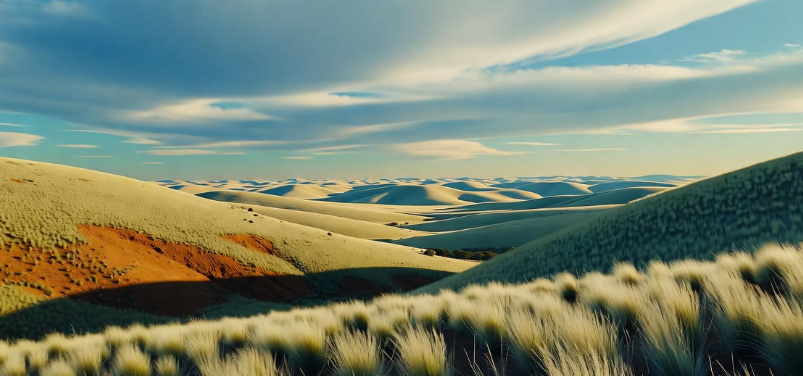
Australia is the sixth-largest country in the world, but it has a relatively small population. That means there’s plenty of unused land, especially in remote or rural areas.
Some people use this open space to create art, others build eco-communities — and a few decide to declare a micronation.
For example, the famous Principality of Hutt River, located in Western Australia, was established by a farmer named Leonard Casley in 1970. He declared independence after a dispute with the government over wheat quotas. Because his property was far away from urban areas, he could set up his “nation” without bothering anyone.
So, yes — open space gives dreamers room to play king or queen of their own little country. 👑
Australia’s History of Quirky Protests 📜
Micronations in Australia are often born out of protest. Many people establish them to make a statement about taxes, laws, or government decisions.
Here are a few examples that show this pattern:
| Micronation | Reason for Creation | Founder |
|---|---|---|
| Principality of Hutt River | Protest against wheat quotas | Leonard Casley |
| Empire of Atlantium | Support for global citizenship and individual freedom | George Cruickshank |
| Principality of Wy | Protest against local council decisions | Paul Delprat |
| Province of Bumbunga | Political satire and royal enthusiasm | Alex Brackstone |
These micronations are like creative protests — they highlight how ordinary people can use imagination instead of violence to make their point. Instead of marching in the streets, they set up “countries” that show the world what freedom and humor can look like.
The Australian Sense of Humor 😆
Let’s be honest: Australians love a good laugh. The creation of micronations often carries a sense of satire — a gentle way to poke fun at authority, politics, and the idea of nationalism itself.
Many founders don’t actually believe they are running real countries. Instead, they enjoy the creativity and fun behind it. Some even issue stamps, print money, and have “citizenships” for visitors.
The Principality of Wy, for example, started when an artist named Paul Delprat got frustrated with his local council. Rather than fighting legally, he humorously declared his property independent. It became a funny local legend, and people loved it.
This blend of humor and independence is very Australian — it’s about not taking life too seriously while still making a statement.
Easy to Build Communities Online 🌐
In the digital age, anyone can create a website, print a flag, and claim to be a leader of a new nation. The internet has made it incredibly easy to form online communities — even for micronations.
Many modern Australian micronations now exist more online than in real life. For example, the Empire of Atlantium started in Sydney but grew globally through the internet. It now has thousands of “citizens” from over 100 countries.
So while Hutt River was based on a real farm, Atlantium exists in both worlds — real and virtual. That’s what makes Australia’s micronations so fascinating: they evolve with the times.
A Peaceful Country That Allows Freedom 🕊️
Another important reason is that Australia allows it.
In many countries, declaring your own nation would get you into serious trouble. But in Australia, micronations are generally tolerated as long as they don’t break the law.
This peaceful attitude makes people feel free to express themselves. Micronations are treated as harmless hobbies — not threats. The government knows that most founders aren’t trying to overthrow anyone; they’re just having fun, protesting peacefully, or exploring ideas about governance and identity.

Tourism and Curiosity 🚗📸
Believe it or not, micronations have become part of Australian tourism!
The Hutt River Province, for example, used to attract thousands of visitors every year. People came to see its stamps, coins, and “border posts.” It became a cultural curiosity — a place where imagination met reality.
Micronations give travelers something unique to explore — beyond beaches and kangaroos. They tell stories of independence, humor, and creativity that you won’t find anywhere else.
Here’s a quick look:
| Micronation | Tourist Attraction | Famous For |
|---|---|---|
| Hutt River | Passport stamps & coins | First major Australian micronation |
| Atlantium | Online global community | Political idealism |
| Wy | Artistic expression | Creative independence |
| Bumbunga | Royal satire | British monarchy themes |
A Safe Playground for Imagination 🎭
Micronations in Australia are often compared to art projects or thought experiments. They allow people to explore political, social, or cultural ideas in a creative way.
Think of them as real-world “what ifs.”
What if we built a country based on equality?
What if taxes didn’t exist?
What if art ruled instead of politics?
These tiny nations let people test ideas — safely and peacefully. That’s part of what makes them so fascinating.
-
🏖️ Looking for travel spots off the radar? Check out: Hidden Micro Nations You Can Actually Visit 🗺️
Australian Law and Loopholes ⚖️
Australia’s legal system is well-structured, but it also allows for a certain amount of creative interpretation. Some founders of micronations have used this to their advantage.
For example, when Leonard Casley declared the Principality of Hutt River, he found an old legal clause that he believed allowed him to secede from the Commonwealth. Though it wasn’t legally recognized, it gave his “nation” an air of legitimacy — and the media loved it.
It shows how a combination of intelligence, humor, and curiosity can lead to something both amusing and historically significant.
It’s About Identity and Expression 💬
For many, founding a micronation is a way to express identity — to say something about who they are or what they believe in. Some want to promote peace, some want to challenge bureaucracy, and others simply want to celebrate creativity.
The Empire of Atlantium, for example, isn’t just a joke. Its founder, George Cruickshank, believes in global citizenship and human unity. For him, Atlantium represents a world without borders — a higher idea of freedom.
FAQs About Australian Micronations 🇦🇺
Q1: Are Australian micronations legal?
They aren’t officially recognized by the government, but they are legal as long as they follow Australian law. They’re usually treated as private hobbies or artistic expressions.
Q2: Can you visit a micronation in Australia?
Yes, some like Hutt River used to welcome visitors before it closed in 2020. Others exist online, and you can become a “citizen” digitally.
Q3: Do these micronations have real money or passports?
Many do — but they’re symbolic! You can collect them as souvenirs, but they aren’t valid for travel or trade.
Q4: How many micronations exist in Australia?
There have been over 35 self-declared micronations, though not all are active today. New ones appear every few years.
Q5: Why do people find them interesting?
Because they mix humor, creativity, and freedom in a unique way. Each micronation tells a story about human imagination.
Final Thoughts 💭
So, why does Australia have so many micronations? Because it’s a country that values space, freedom, humor, and imagination. It’s a place where people can dream big — even if their dream is to rule a country made up of a backyard or a website.
In the end, these micronations show the lighter side of independence. They remind us that freedom isn’t always about politics — sometimes, it’s about creativity, laughter, and the joy of saying, “Hey, why not?” 🌏✨