
Think about it, designing and building your own country in your neighbor’s backyard, making yourself the president and passing out passports to your friends. (That actually sounds entertaining, doesn’t it?) Well, thousands of people around the world are deadly serious about this idea. They have created what we call “micronations” — self-declared independent nations that are largely figments of imagination, although some do hold physical territory.
These little countries even have their own flags, currencies and, yes, citizenship papers and passports. But there’s a seven-digit question at play: do these documents really work? But can you travel on a Sealand passport? Is there any nation which will acknowledge that you are a citizen of the Kingdom of Talossa?
This article delves into the colorful world of micronations and how they deal with citizenship, passports and the quagmire that is international recognition. If you want to create your own, or just learn about the beguiling tract of political science that calls itself micronationalism, then you’re in the right place.
What Exactly Are Micronations?
But before we delve into passports and citizenship, let’s make sure we’re all on the same page here: What are micronations in the first place?
Micronations are entities that claim to be independent nations yet go unrecognized by all of the world’s governments or major international groups, such as the United Nations. They’re not like little countries such as Monaco or Vatican City, which are actual countries with complete international recognition even though they’re very small.
The vast majority of micronations begin as experiments, art projects or expressions of political discontent. A few have genuine, physical places — a platform in the ocean, a small island or even somebody’s house. Others are only in cyberspace or between the covers of a notebook.
Some of the most significant contrasts between micronations and actual nations:
| Real Countries | Micronations |
|---|---|
| Recognized by other nations | No official recognition |
| Member of international organizations | Not member of UN, WHO, etc. |
| Control actual territory with sovereignty | May have territory but no sovereignty |
| Issue legally valid travel documents | Issue illegitimate travel documents |
| Have functioning governments with real power or a meaningful role | Symbolic governments |
This difference is hugely important when we start discussing citizenship and passports. You need a paper from Monaco to get through an airport. But not a letter from the Republic of Molossia.
The Appeal of Micronation Citizenship
Who would want to be a citizen of a country that technically doesn’t exist? The reasons vary widely:
Personal Freedom and Expression: For some individuals, micronations are meant to be the ultimate in personal freedom. They are not satisfied with some aspects of the laws or culture in their home country and want to create something that mirrors their values.
Protest: Some micronations are created due to displeasure with the current form of government in place. The Principality of Hutt River, in Australia, started when a farmer challenged wheat production quotas imposed on his operations by the Australian government.
Artistic and Creative Projects: Some artists and writers establish micronations as performance art or artistic exploration of concepts such as nationality, borders, and identity.
Community Building: Online micronations are essentially communities where people with similar interests come together and role-play politics, often building imaginary worlds together.
Novelty and Fun: Let’s face it – for a lot of folks, it’s just neat. Owning a ‘passport’ of the “Kingdom of Lovely” or being a “Duke (or Duchess) of Sealand” certainly provides good talk.
Tax Dodges: Just to add some conspiracy theory flavor, some micronations are formed for hanky panky reasons such as the avoidance of taxes or laws. These are usually scams.
How Micronations Define Citizenship
As micronations do not fall under international law, all have their own rules of citizenship. The variety is astounding.
Jus Soli Citizenship: A few micronations have laws stipulating that if you are born within their claimed boundaries you gain citizenship. Naturally, humans being fallible and all that, not many people actually are qualified in this way (most micronations are little guys — perhaps just a house or an online thing).
Application Process: A lot of these micronations allow anyone to go online and apply for citizenship. You fill out a form, pay a fee if there is one and receive a certificate or digital document announcing that you are now a citizen. The Kingdom of Talossa, one of the oldest micronations, has had hundreds of individuals seeking citizenship since it began in 1979.
Citizenship for Sale: Some micro-nations offer citizenship, titles or both for sale. Similarly, the famous platform off the coast of England known as Sealand has sold scores of noble titles and citizenship packages. These can be as low as $50 for a basic citizenship, or well into the thousands for titles like Baron or Duke.
Invitation Only: Generally, only people invited by the founder or existing citizens become citizens. This is what keeps the community small and exclusive.
Automatic Citizenship: Some micronations also claim that all the people in the world are citizens automatically, whether or not they already knew about it. The Global Country of World Peace alleges one billion people worldwide based on this trend.
The Rights and Responsibilities of a Micronational Citizen
What, fundamentally, do you get in exchange for being a citizen of a micronation? The answer varies dramatically:
In well-structured micronations, the citizens may have been issued with:
- Official-looking citizenship certificates
- Passports or identification cards
- Electoral and voting rights in micronational elections or referenda
- Eligibility for government jobs
- Private membership to the community, website, or event platform
- An intensity of belonging to a special coterie
But these are citizenship papers that offer no legal protection or privileges in the real world. You can’t use them to go traveling or claim residency rights somewhere, evade taxes or escape criminal charges.
Some micronations do encourage that citizens observe some rules – obey the constitution, participate in activities in the community, pay and charge symbolic taxes. But these obligations are voluntary. Not a single micronation is capable of enforcing laws, or penalizing citizens who break them.
The Reality of Micronation Passports
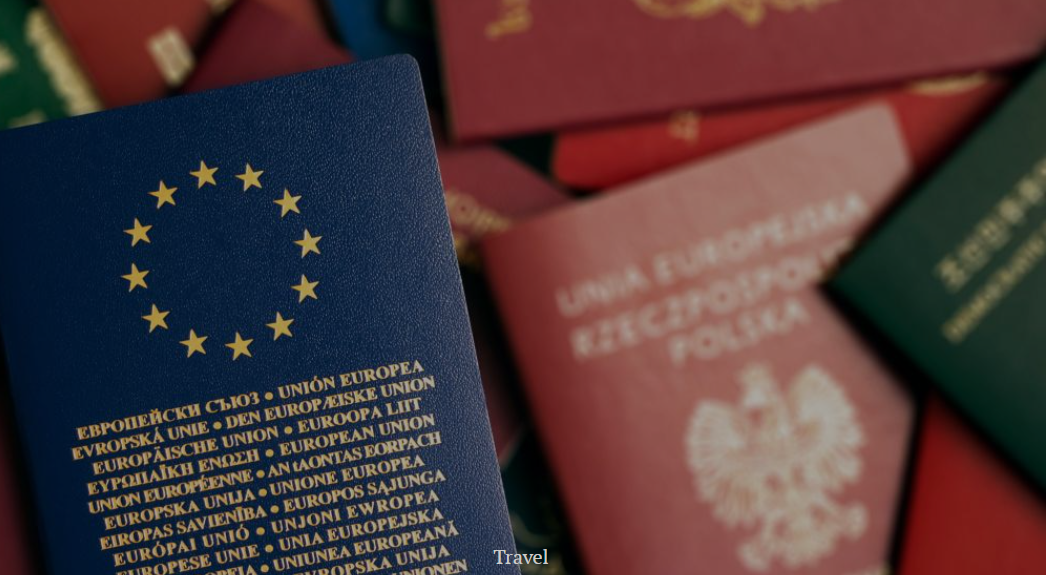
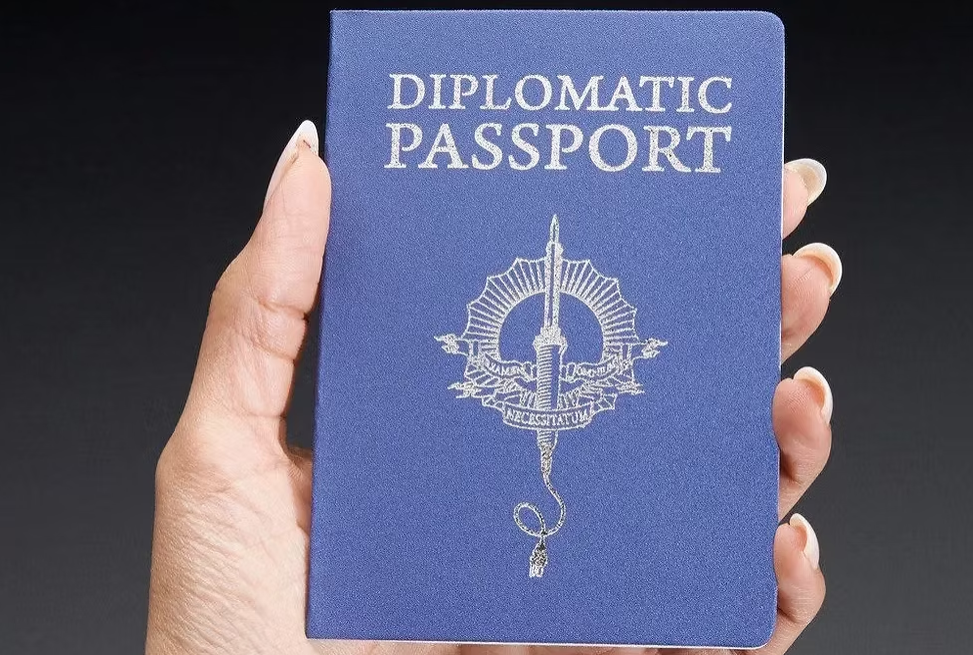
It is in passports that micronations truly begin to enter fantasy territory. If you’re the only person in your trailer without diplomatic immunity, despite your claims to being a relevant player on the world stage. One curious aspect of all this is the number of micronations that do issue those beautifully illustrated passport booklets that bear an uncanny resemblance to actual ones.
- Photo pages with personal information
- Security elements, such as holograms or special paper
- Pages for visa stamps
- Official seals and signatures
- Multiple languages
- Biometric information
The craftsmanship can be impressive. Some micronation passports are also works of art. But here’s the brutal reality: no nation on Earth recognizes micronation passports as valid travel documents.
-
🗺️ Don’t miss this list of the most unique countries that aren’t really countries — Read next: Top 10 Micro Nations Around the World
Why Micronation Passports Fail for Travel
International travel depends on intricate agreements between established states. When you present your passport in an airport, the country to which you are traveling trusts that:
- Your native country has confirmed who you are
- You can go back to your country if you get deported
- Your passport is compliant with international security standards
- The country you represent is a properly formed state with which they have relations
Micronations are not in a position to give such assurances. Border agents will take away your micronation passport, refuse entry or worse — arrest you for trying to use fraudulent papers.
Warning: Trying to travel using only a micronation passport may lead to the following consequences:
- Detention at borders or airports
- Fines and legal charges
- Not being allowed to enter some countries
- Criminal frauds are prosecuted in some jurisdictions
- Foreigners stranded abroad without documents
Some people have tried it. None have succeeded. Don’t be one of them.
One Exception: Fantasy Passports as Collectibles
So, while passports from micronations won’t get you past airport security, they do have one very legitimate application: collecting.
There is such a thing as passport collecting, a kaleidoscope of passports. Collectors look for strange, historical or rare travel documents. That’s where micronation passports come in. A few command decent prices among collectors:
- First- and second-issue Sealand passports, issued from the 1970s to early 1990s, are sold for between $100-$500 each
- Republic of Minerva passports are now collectors items
- Collector oriented, well-designed limited edition micronation passports are sometimes issued
As a matter of collections and curios, these papers have worth. As, you know, real travel documents, they are worthless.
Notable Micronation Citizens Programs
Here’s how a few famous micronations deal with citizenship and documents:
Sealand
Arguably the most well-known group of micronations, Sealand is a World War II sea fort off the coast of England. It offers:
- Multiple citizenship tiers ($50-$500+)
- Noble titles (Baron, Count, Duke)
- Passports and ID cards
- Newspaper accounts with Stamps and Seals
Sealand’s papers are fancy and fashionable novelties. The micronation has been able to survive for more than 50 years and has come to be seen as a symbol of dissidence, but the UK does not recognize it as a sovereign state.
Principality of Hutt River
This Western Australian farm served as a micronation between 1970 and 2020. At its peak, it:
- Issued passports and driver’s licenses
- Sold citizenship for around $100
- Had thousands of tourist “citizens”
- Ran a post office with stamps of its own
The principality officially closed in 2020 when Australian tax authorities succeeded after years of court battles. Its passports have become relics of history.
Kingdom of Talossa
One of the oldest currently operating “micronations” (since 1979), Talossa exists mostly online. It features:
- Free citizenship through application
- A fully developed language (Talossan)
- Active government with elections
- A detailed legal system
- Cultural traditions and holidays
Talossa isn’t sending out physical passports but offers digital citizenship certificates. It is more about developing community and culture than physical self-rule.
Molossia
This micronation is based in Nevada, USA and includes:
- Free citizenship applications
- Tourist physical visits to the territory
- Customs stamps in regular passports
- Matured currency and customs
While Baugh openly admits that Molossia is a mostly disingenuous undertaking, he keeps detailed written accounts and procedures.
Principality of Wy
This Australian micronation began as an art project. It:
- Issues visas and stamps
- Has been home to cultural events and exhibitions
- Artists and supporters are given citizenship
That status is germinal for expression about sovereignty and borders.
The Legal Status of Micronational Documents
Now we’re getting into the meat of it. But what does the law say about micronational citizenship and passports?
International Law Viewpoint: In international law, in particular the Montevideo Convention of 1933, to be a state it must have:
- A permanent population
- Defined territory
- A functioning government
- A capacity to deal with other states
Micronations usually do not satisfy at least the fourth condition. They are not legally in existence without being recognized by other states, no matter how well-organized they may be.
National Law Perspective: Responses vary from country to country on the stance they take regarding micronation documentation:
- Illegal: Making counterfeit passports or IDs. Different places have different rules on novelty items. Penalties may consist of fines or jail.
- Fraudulent if used fraudulently: In most places there is nothing illegal about owning a micronation passport but attempting to use it as a real document constitutes fraud.
- Totally Discounted: Many countries refuse to give micronation documents any recognition at all. They’re treated as so much worthless paper.
Real-Life Legal Cases
A number of legal cases illustrate the problems:
In 1997 Sealand ceased to be a passport-issuing authority after reports emerged that organized crime groups were using its passports. It was being fraudulently circulated worldwide, and there were investigations into over 150 attempts to misuse a Sealand passport. Sealand faced no charges in the case, but the episode was a reminder of how micronation documents could be used for real crime.
Several people have been arrested in multiple nations as a result of using micronation documents for identification purposes in relation to everything from banking to government services and travel. These documents are consistently held by the courts to be invalid.
Can Micronations Ever Become Real Nations?
History tells us that going from micronation to recognized country is a very hard—but not at all impossible—task.
Success Stories (Sort Of):
Liberland: Established in 2015 on disputed territory between Croatia and Serbia, the Free Republic of Liberland has probably received more attention abroad than most other micronations. Representatives from a few small nations, such as Palau and Nauru, have visited, but no country has recognized it officially. It is the home of thousands of citizenship applicants.
Somaliland: Not a bona fide micronation, but declared independent from Somalia in 1991. It operates 30 years on as a country with its own government, currency and passports — even if it is only partly acknowledged by one other country.
The Recognition Problem: What it Takes for a Micronation to be Real
- Recognition from existing countries
- Membership in international organizations
- Real sovereignty over territory that other countries will respect
- A government that actually functions and does things for people
- Economic viability
The reality of the situation: For 99% of micronations, these are pipe-dreams. They’re hobbies, they’re projects or acts of protest — not serious bids for statehood.
Digital Citizenship and Online Micronations
The internet has revolutionized micronations. There are dozens of such micronations that are entirely virtual entities, with no physical territory.
Digital Micronation Citizenship
Online micronations, digital offshoots of the Republic of Molossia and newer projects provide:
- Complete digital citizenship processes
- Digital passports (PDF or digital scan)
- Real elections and laws in online governments
- Virtual currencies and economies
- Role-playing communities
These digital micronations admit that they are creative projects and not serious sovereignty claims. They are more like intricate online communities or alternate reality games.
Cryptocurrency and Blockchain Micronations
Over the last few years, there have been some ongoing attempts to establish a blockchain and crypto-first nation.
- Bitnation has “digital nationality” on the blockchain
- Liberland adopts blockchain for citizenship documents
- Many are “virtual nations,” according to those behind the blockchain projects
These projects are technologically interesting, but all of them have the same basic problem: No actual country recognizes them, so although they might offer citizenship and documents, it is strictly symbolic.
The Scam Side: Fake Nations and Other Red Flags
Where there’s novelty and confusion, sadly, scams appear.
Red Flags of Micronation Scams:
- Assurances documents will suffice for legal purposes
- Allegations of tax avoidance or legal impunity
- Expensive prices for citizenship or titles (hundreds to thousands of dollars)
- Real estate or investment return guarantees
- Assertions of diplomatic immunity or exceptional rights
- Bogus government agencies and professional-looking websites
Common Scams:
The Dominion of Melchizedek: Arguably the most infamous fake nation, it “sold banking licenses, diplomatic credentials and various letters of credit.” It was employed in a series of fraud operations that investigators estimate have caused millions of dollars’ worth of damage. The founder was eventually arrested.
Kingdom of EnenKio: Says it is a government in exile in part of the Marshall Islands. It has no legitimacy, but has hawked diplomatic credentials and bonds in elaborate frauds.
United States of Kailasa: Made news recently when its “representatives” were invited to official events, only for the delegations to turn out to be fake.
Protecting Yourself
If you are a hobbyist in micronations, here are some guidelines:
- Never pay huge amounts for passports or citizenship
- Ignore the talk about legal rights or tax advantages
- Investigate the history and citizens of the micronation
- Don’t ever attempt to use micronation documents as legitimate ID
- Keep in mind that real micronations accept their smallness
Establish Your Own Micro-Nation: The Issue of Citizenship
In the market to start your own micronation? Many people do! Here’s what you need to know about navigating citizenship:
Establishing Citizenship Rules
Make a decision early:
- Will you take all applicants or be selective?
- Will you charge fees? (Keep them minimal if you do)
- What information will you collect?
- What documents will you issue?
- What does citizenship afford and what can it require?
Document Design
If you design passports or ID cards:
- Make them stand out from authentic documents
- Put disclaimers as novelties
- Get creative and have fun designing it
- Never attempt to exactly copy real passport security features
- Find a way to sell them as collectibles or for fundraising
Building Community
The most successful micronations tend to do one thing well, build community:
- Engage citizens in the process
- Develop interesting cultural elements
- Host online or in-person events
- Encourage creativity and contribution
- Be honest about what the project is like, and no fairy dust
Staying Legal
Protect yourself:
- Never represent that your documents “will be legal”
- Do not offer tax benefits or legal privileges
- Make it clear that this is simply a hobby or art exercise
- Research local laws about making official-looking documents
- Don’t impersonate government officials
How Micro Nations Handle Citizenship and Passports
The Future of Micronations
Where is all this heading? Here are a few of the trends that will shape future micronations:
Seasteading: The seasteading movement is working to form first a home, then a community outside of any nation’s walls in international waters — thus far mostly off of French Polynesia. There are no seasteads on large scale as of yet, but many projects are underway. And if successful, these could be the first modern micronations with an actual contention for sovereignty.
Space Colonies: With space travel becoming increasingly achievable, some dream of micronations on the Moon, Mars or in space stations. The legal status of these would-be communities is murky under existing space law.
Virtual Worlds and Metaverse: If virtual reality gets good enough, digital micronations may instead become immersive. Some already exist in metaverse platforms and others are designing spaces for it.
Changing Conception of Citizenship: As people’s lives are becoming more international and digital, the traditional concept of citizenship may change. Some theorists suggest “flexible citizenship” or “portfolio citizenship.” Micronations aren’t going to be the locus of this change, but they may stimulate fresh thinking around belonging and identity.
Climate Change and Territory: As low-lying nations face threats from climate change, thinking about ‘nations without territory’ has transitioned from whimsy to serious consideration. How do you keep a country when your physical land is vanishing? This idea has been played with by micronations for decades.
Frequently Asked Questions
Can I use a micronation passport for international travel?
No, absolutely not. No country accepts passports from micronations as legitimate travel documents. Trying to use one could lead to detention, fines or criminal charges. If you travel abroad you will need a valid passport from a country that recognizes you.
Can you legally purchase citizenship from a micronation?
For the most part, yes, purchasing citizenship in a micronation is legal assuming it’s agreed that it has no legal worth. Note, however, that in almost all countries the use of postage stamps or other official government items by private entities, such as micronations are illegal.
Are there any actual countries that consider micronations as proper states?
No existing recognized nation has any established micronation as a sincere sovereign entity. Certain micronations have been the recipient of friendly gestures on the part of one or more politicians or local governments, but no government recognizes another as a sovereign state.
How much does citizenship in a micronation usually cost?
It varies widely. Citizenship in some micronations is free, or can cost anywhere from $10 to a few hundred dollars. You should be careful with those as any micronation charging large fees (above $100) is probably a scam.
Can I lose my real citizenship by acquiring micronation citizenship?
No. Being a symbolic citizen of a micronation does not affect your legal citizenship status in recognized countries. You don’t receive (or forfeit) dual citizenship or any rights. There is no legal force to it at all; it’s just a novelty.
Do documents of a micronation count as illegal fake IDs?
That is a matter of local law and how the documents are used. Simply having them as novelties is generally legal. But attempting to use them as actual identification can be prosecuted as fraud, or forgery, in many jurisdictions.
So what is the line that separates a micronation from a small country like Vatican City?
Recognition, not size, is the key difference. Vatican City, Monaco and San Marino are little, but they are what is known as a full state member of the international community. This recognition is something that micronations do not possess, regardless of how big or clever they are.
Is it possible for me to establish my own micronation and make a passport?
Yes, you are free to found a micronation as an amateur or artistic project. But be clear in the language that these are novelties, do not charge substantial fees and never convey that the documents are legally valid—and check local laws regarding official-looking documents.
Wrapping It All Up
Micronations are intriguing examples of the overlap between fantasy and fact. They allowed people to mobilize ideas about nationality, sovereignty and community in imaginative ways. Their experiments are represented by the passports and citizenship documentation they issue.
But let’s be perfectly clear: there is no such thing as a legal standing for micronation citizenship and passports around the world. They are not going to assist you in traveling, evading taxes or asserting special rights. They’re novelties, collector’s items and signs of belonging to weird scenes.
That’s not worthless, however. Micronations provide places for political, artistic, and communal experimentation. They make us consider what actually makes a country “real,” and what it really means to be a citizen. In a world that’s becoming increasingly globalized and in which people often feel disconnected from their governments, micronations provide alternative models for how our politics can work.
Whether you are attracted to micronations as collector, would-be founder or curious bystander, remember that their value has nothing to do with legal legitimacy and everything to do with creativity and community. They’re thought experiments rendered concrete, protests made visible and communities that gather around shared imagination.
The Kingdom of Talossa passport won’t help you pass through airport security, but it could introduce you to interesting people around the world who share your interests in political philosophy and coaxing something out of nothing when creating a new country. So they won’t win you any noble privileges, but a Sealand certificate is a great conversational gambit and yours affirms belief in and provides another entertaining twist to a one-of-a-kind piece of maritime history.
Ultimately, micronation citizenship is about being part of the weirdness and creativity, but also (maybe) making us think a little bit differently about countries and documents that we often take for granted. And sometimes, that’s valuable enough.