
Creating your own micronation is a very fun adventure of creativity, excitement in community-building and self-expression. The thing is, though: if nobody knows your micronation exists, how can you find citizens, gain recognition or spread knowledge about your unique culture to the ones outside it? This is where creating a solid online presence comes in. In this digital age, the internet is your greatest weapon in getting out there with your micronation. Whether you want to build a full-fledged virtual nation, or just construct a territorial micronation or anything in-between, this is your guide to starting and expanding your state’s presence on the internet.
Why Your Micronation Should Have an Online Presence
Before we get into the how-to, let’s discuss why this is important. Your online identity is like a micronation’s voice, face and embassy rolled into one. It’s where you’ll engage with prospective citizens, reach out to other micronations and save a record of your nation’s history and accomplishments.
Your micronation is irrelevant without a digital trace. With one, you can become a part of an international community of micronationalists in the thousands, share what your ideas are and even have similar thoughts to others on sovereignty, governments and community. Plus, having an online presence increases the legitimacy of your project and demonstrates that you are serious about it.
It’s surprisingly active on the Internet. From forums and social media groups to live websites and virtual embassies, there’s a vast ecosystem waiting for you. The earlier you can put your flag down, the sooner you can begin to cultivate relationships and develop your country!
Creating Your Foundation: Website Essentials
Your website is your micronation’s online capital. It’s going to be where people come to learn about your country, its principles and framework of government, and how they can participate. Consider it your digital capital.
Choosing the Right Platform
You don’t have to be a tech wizard to create an awesome website. There are now many platforms that make it relatively simple for beginners to generate professional-looking sites without needing to write a line of code. WordPress is one of the most common options, since it’s flexible, easy to get started and has thousands of themes and plugins. Drag-and-drop builders like Wix and Squarespace are even easier than WordPress, but which might cost a little more. However, a well-organized Google Sites page can do wonders for micronations on a budget.
The trick is to pick a platform that aligns with your technical abilities and budget. If you’re okay with learning as you go, WordPress provides the most control and opportunity to grow. If you need something up and running by the end of the afternoon, Wix or Squarespace could be better options.
Essential Pages Your Website Needs
Each micronation website should have some essential pages by which visitors can navigate. Your homepage should provide a clear, captivating account of what your nation is. Don’t simply say “welcome to the Republic of Whatever” — tell a story that embodies your nation’s soul and purpose.
An “About Us” or “History” page should detail how your micronation was established, what it stands for, and why it is unique. A “Government” page can lay out your system of government, the laws you live by and who leads. If you have a constitution or founding documents, make a dedicated page for them. You should create a “Citizenship” page detailing how a person can become a citizen of your nation and what rights and responsibilities are associated with citizenship.
And of course, it’s easy to overlook practical pages like ‘Contact’ where interested parties can reach out and ‘News’ or ‘Updates,’ allowing you to share what’s happening in your country. If your nation has a flag, coat of arms, or national symbols, make a “Symbols” page and display these with descriptions of their significance.
Making Your Website Look Professional
First impressions matter. A cluttered, confusing site can scare off prospective citizens before they even find out what your nation is about. Maintain your design neater and it is more manageable. You can provide consistency in your motive by using the national colours in the design. Ensure that your navigation menu is simple and intuitive to enable visitors to easily locate information.
Good pictures are a lifesaver. Include photos of your territory, government buildings or national events if you have them. Design or outsource a professional-looking flag and emblem that you can employ all over your site. And while you might not be an artist, there are free tools like Canva that can help you create decent graphics.
Use a friendly, simple to understand tone. Don’t use overly formal or archaic language, you know unless it really does suit your country’s flavor. Remember, you want people to be excited about joining; not confused or intimidated.
Social Media Strategy for Micronations
On social media is where your micronation can really start to incubate, and engage with people on a daily basis. Your website is your official home; social media is the place where you create community and personality.
Picking the Right Platforms
You don’t have to be on every social media platform — that’s a surefire way to burn out. Instead zero in on two or three outlets where your target audience congregates. Facebook is a good way to create community groups for citizens to connect. Many micronationalists already congregate in different groups on the platform, which is more than can be said for established nations and their structures.
Instagram is particularly effective if your country happens to be photogenic. Post the flag, land, stamps, money or a cultural festival of your country. Twitter (now X) is perfect for posting quick announcements, updates and meeting other micronations. Reddit has communities where you can discuss and promote formation of your nation.
YouTube deserves special mention. Video media is so much more compelling, and documenting the journey of your country with videos can keep people very excited. You might shoot government meetings, virtual tours of your website, interviews with citizens or explanations of your political structure.
Content Ideas That Actually Work
The hardest part about getting social is persistence. You have to keep putting material out there so you remain visible and relevant. Here are some content ideas that resonate with micronations:
Share behind-the-scenes content of how you’re building your nation. People love to look over the shoulder of anyone who’s getting creative. Blog about new laws, decisions of government, or good things done by citizens. Celebrate your national days and tell others about them. Tell a few anecdotes about the history of your country and founding or famous events.
Post polls questioning followers for their thoughts about national decisions – this is engaging and makes people feel part of the process. Share content from other micronations as well and let’s make this place active! Upload pictures of your national emblems, documents or physical items such as passports or stamps if you have made them.
Leverage holidays from the “real world” as content opportunities. For instance, on Earth Day you could delve into your country’s environmental policies. On International Peace Day, you’re talking about your philosophy of foreign relations.
Building Your Following
It’s not easy to build a social media following. Begin by joining pre-existing micronation communities or groups. Tell them about you, truthfully not spam type of penny. Come and join in chats, make posts worth reading on the forums, become a good poster before begging people to see your nation.
Include appropriate hashtags to aid in people finding your content. Look for tags like #micronation, #micronationalism, #virtualnation and #onlinecommunity. Create a new hashtag for your country and use it extensively.
Collaborate with other micronations. Guest post on each other’s pages, do joint livestreams or create alliance announcements. Cross-promotion helps everyone grow.
Getting Found: SEO for Micronations
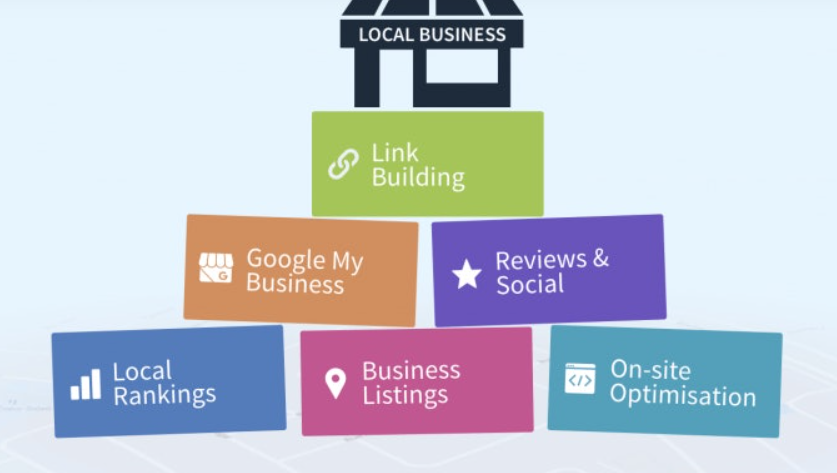
SEO (Search Engine Optimization) is how you ensure that when people search for your micronation on Google, they will be able to find it. It might sound technical, but the fundamentals are quite simple.
Keyword Strategy
Consider what words people will use to search for micronations. Relatively common searches include “republic of,” “equatorial,” and “how to join.” Popular search terms include those that suggest people searching for information on how to become a micronation, or a list of micronations; these included searches like ‘micronation’ with other terms such as ‘virtual nations,’ ‘online countries’ and also specific criteria such as ‘socialist micronation’ or ‘monarchist micronation.’
Naturally incorporate these keywords into your site content, especially in the page title, headings and opening paragraphs of a page. Do not over optimize – write for humans and then for search engines.
Technical SEO Essentials
Your website should be quick to load. Sites that are slow to load frustrate visitors and hurt your search rankings. Make sure you compress your images before uploading. Most website platforms have speed plugins or settings.
Your site needs to be mobile-friendly. Over half of web traffic is on mobile. Test your site on your phone and ensure that everything appears as it should, and is easy to interact with via touch.
Give your pages descriptive URLs. Instead of “mysite.com/page1,” use “mysite.com/citizenship-application.” This benefits search engines as well as visitors when they come to know what the page is about.
Content That Ranks
Google loves fresh, detailed content. That’s why a blog or news section is important. Contribute and write articles on things involving your micronation but also things about the macronationalism world in general. A blog titled: “5 Reasons to Join a Micronation” or “How We Created Our Constitution” can help drive search traffic while promoting your nation.
Aim for depth over breadth. A single deep-dive 1,500 word article on your style of government will always rank higher than a handful of 300 word posts. Add in some pictures or a video or infographics to make your content more interesting.
Establish logical connections between your own pages. When you talk about citizenship on your blog, link to your citizenship application page! This makes it easier for visitors to find their way around and tells search engines how your pages are connected.
Forums and Groups: A Simple First Step into Community Building
To ensure the long-term success of your micronation, you will need a community – not just silent followers. Establishing environments for conversation and collaboration is essential.
Starting Your Own Forum or Discord Server
You can even create a Discord community for your virtual state. Discord is free and straightforward to use, making it great for growing a community. You can make different channels about all of the topics above: General chats, RP Gov discussions, macro files, OOC rambles and announcements.
Give roles to citizens according to their government status, or level of participation. This has a sense of elevation and number of achievement. Utilize bots to automate welcome messages, safeguard your server from raids, offer games or music commands!
If you are old school and want a traditional forum experience, you can create free forums at ProBoards and even use phpBB. Forums are more suitable for long and ordered discussions and they function as an archive of your nation’s discussion. Discord is more suited to hanging out and having casual conversations in real time.
Involvement in the Wider Micronational World
Don’t build in isolation. Forums have been formed by members of the micronational community, including MicroWiki Forum, micronation subreddits and Facebook groups. Join such rooms and be active on a regular basis.
Post about what’s happening in your country, but also comment on other people’s news. Comment on their updates, cheer when good things happen, give feedback as requested. Building real relationships with other micronationalists can result in alliances, cooperation, and mutual support.
Keeping Your Community Active
Momentum is the hardest asset to create when building community. Establish regular events that will keep people engaged: weekly voice chats, monthly government meetings, cultural festivals and creative competitions.
Introduce ways which citizens can contribute. Perhaps someone can pen your national anthem, design a stamp or draft proposals for legislation. Who have added to your country in terms of creativity?
Recognize and reward active members. Invent awards or titles for those of your citizens who are most responsible. The cost of public acknowledgment is zero, but the value to an inclusive community is absolutely priceless.
Building Your Brand: Visual Identity and Design
Your micronation’s visual identity serves as a way for people to identify and remember you. Powerful consistent branding presents your nation as professional and legitimate.
Designing Your Flag and Symbols
Your image is your most precious symbol. It must be unique, evocative, and must be usable in all sizes from small favicons up to big banners. Good flags are simple: two to three colors, no text or complex seals and the design should be bold and distinctive.
Many people search on Google for vexillology basics, so just check it out. See how one country’s flag is often named the most beautiful — and why. Don’t replicate another nation’s flag too closely, but do not hesitate to pull inspiration if there is symbolism you would like to express with your designs.
Design a coat of arms or national seal that is more detailed than your flag. This might be symbolic things that are a part of the national values, history or environment. Supporters, a shield, motto and crown or crest are old school elements, but as always feel free to break the mold.
Consistent Branding Across Platforms
Use the same colors, fonts and visual appearance throughout all your online activity. Your website, social media profiles, documents and graphics should feel united in the same nation. This regularity is the way to recognition and professionalism.
Design templates for announcements, certificates and official documents. This can save time and gives everything an official feel. Even simple Google Docs templates can work if you create a good header: that bit at the top of the page where you’d have your flag and national name.
Visual Content Creation Tools
All you need is a vision — and a computer with the right software. Canva is free for making social media or other graphics, posters or documents. GIMP is a free Photoshop alternative for image editing. Inkscape is fine for vector graphics if you want scalable flags and symbols.
For video, free tools like OpenShot or DaVinci Resolve handle editing of video content. Just capturing yourself talking about your country into your phone can be great content if you’re authentic and passionate.
-
🏰 Discover the forgotten mini-countries that once ruled the world — You may also like: 7 Forgotten Micro Nations You Never Heard Of
Documentation and Record Keeping
A well-documented micronation feels real, true and legitimate. The better you are at keeping records, the more content you have for your website and social media.
What to Document
Keep records of everything important, including:
- When you were founded and your founding story
- Any constitutions or constitutional amendments you’ve made
- Laws which have been passed and where they can be found (including the dates on which those laws came into effect)
- Who has been appointed/elected to government positions over time and when each appointment/election occurred
- Who applied for citizenship and when/whether/how they acquired it
- Times at which all citizens should be officially counted (and how many get the right number)
- Any agreements between your micronation and other micronations that exist/have existed as official entities
- Major national events/celebrations
Keep these in well-labeled folders on your computer and ensure that they are backed up to the cloud. When their computer crashes and they have no backups many micronations lose years of history.
Creating a National Archive
Establish a page on your website for your national archives. Post historical documents, photos from events and records of significant decisions. In retrospect, this can be quite a valuable resource to demonstrate your nation’s development and change.
Write occasional “state of the nation” reports that summarize recent events. Those are great articles and they make snapshots of your country at different times.
Using Wikis for Information Management
Perhaps you should make a wiki for your micronation on Fandom or Miraheze. Your government structure, geography, history, culture — all of that is great for organized information on wikis. And they are generally easy for many people to edit, so citizens can participate.
MicroWiki is a collaborative project based on the Wikipedia software that has information about thousands of micronations. Many micronationalists whose nations have no websites host their information on MicroWiki. Getting a page there is also good for helping to put your nation out in the community, so it strengthens your nation’s position too by creating external validation of your existence.
Digital Diplomacy and Networking
Make friends with other micronations. Forming friendships and alliances with fellow micronations will help you to spread your influence, and for some of them may add a more authentic feel to what could otherwise be just another online profile.
Finding Potential Allied Nations
Look through micronation directories, wikis, and forums to find other nations you share values with or with interesting projects. It’s not only the largest or most high-profile of micronations you should try to reach — in fact, it’s often these smallest nations that are willing and excited to work with someone like you.
Seek out countries at the same level of development. It’s great to make connections with some of the other new micronations and a chance to support and learn from each other.
Reaching Out Professionally
Always act respectful when you are contacting a different micronation. Send an official sounding message from your nation and show interest in their project. Describe what type of relationship you want: a friendship agreement or cooperation on a focused project, for example.
If you spam dozens of countries at once with the same message, that’s counterproductive. Customize each outreach to demonstrate you’ve actually looked at their country and know what’s unique about them.
Benefits of Micronational Alliances
Alliances serve multiple purposes. They create content (announcing their alliance, displaying each other’s flags, writing about each other’s allied nations). They also increase your exposure via cross-promotion. They offer learning experiences as you observe the ways that other countries tackle similar challenges.
Many micronations create consortiums or unions, which can be even more helpful. As part of an established micronational organization you have proven networks and connections right away.
Platform Comparison
| Platform | Best for | Time Investment | Technical Skill Needed |
|---|---|---|---|
| Website (WordPress) | Official information, credibility | High initially, low maintenance | Medium |
| Building community and longer conversations | Medium | Low | |
| Visual content sharing and younger audience interaction | Medium | Low | |
| Twitter/X | Quick updates & networking | Low-Medium | Low |
| Discord | Active community building and real-time talk | Medium-High | Low |
| YouTube | Video creation/storytelling | High | Medium |
| Discussion & community engagement | Low-Medium | Low | |
| TikTok | Short video creating/viral potential | Medium | Medium |
Content Calendar and Consistency
Posting sporadically and haphazardly is not going to help you build a solid presence online. You need one more thing: consistency, and that requires a plan.
Creating Your Content Schedule
Determine how often you will be able to reasonably post on each platform. Better once a week and consistent, than promising yourself daily posts, and giving up two weeks in. You can begin slowly and gradually increase the frequency as you develop a routine.
Frame content around your national calendar. If you have a national holiday, make something for that. Announce plans for when you will make new laws or introduce government changes. Add scheduled features such as “Citizen Spotlight” or “This Week in Our Nation.”
Leverage free tools like Google Calendar, Trello or Notion to lay out your content weeks or even months before publication. Create content in batching when you have time and schedule it to post later with built-in platform tools or services such as Buffer.
Types of Content to Mix
Variety keeps your audience engaged. Combine educational content (explaining parts of your government), entertaining things (memes about micronationalism, fun facts), community content (interviews with citizens or event spotlights), inspirational content (goals for the future of your nation), and interactive content, like polls, questions and contests.
Following the 80/20 rule is great: 80% of your content will add value, entertain or build community; only 20% will explicitly promote or recruit.
Measuring Your Success
You can’t improve what you don’t measure. Track the growth of your online presence to see what’s working.
Key Metrics to Watch
For your website, use Google Analytics (it’s free) to follow the number of visitors you get, which pages they look at most, how long folks stick around and where your traffic comes from. If the numbers are increasing, you now have a strong sign that your social web presence is working well.
Pay attention to follower increase, engagement rate (likes, comments, shares relative to followers held), click-through rates on links and what posts seem to work best on social media. The majority of platforms offer these analytics for free.
Specifically for your community, monitor the number of active citizens any given month or year and how many contributors are participating in events or engaging in discussions, as well as the percentage of people who apply to become citizens after hanging out online.
Adjusting Your Strategy
Review your metrics monthly. If you notice that specific content types always generate the most interaction, produce more of that type of content. If a platform is not working no matter how often you try, reduce your focus on it and prepare to double down where your results are better.
Ask your community for feedback. Occasionally send out surveys to your citizens that ask what kind of content they like, what they wish there was more of and how they found your micronation. Sometimes blunt criticism is more helpful than data.
Common Mistakes to Avoid
It saves you time and frustration to learn from others’ mistakes. Here are some common traps into which new micronations stumble:
Spreading Yourself Too Thin
Attempting to be everywhere leads to burnout and poor content on all accounts. Choose fewer platforms and do them well.
Inconsistent Branding
When different names, colors and logos are used on the same content, it confuses members of the public and makes your nation appear disorganized. Create a strong visual identity early on and never waver from it.
Ignoring Your Community
If your constituents or followers spend time to comment, message you, or engage with you in any way – respond! Dismissed users stagnate or move on. Engagement builds loyalty.
Over-Promising and Under-Delivering
Do not announce grand plans or features until you know for certain that you can deliver on them. A couple of successful projects trump a dozen unfulfilled promises.
Taking Things Too Seriously
Yes, micronations can be cool projects, but have fun with them. If you’re not enjoying it, that all comes through, and people don’t want any part of it. Stay playful and passionate.
Neglecting Security
Use strong, unique passwords for all your accounts. Enable two-factor authentication where possible. When you’re hacked and can’t access your primary profile, starting over from zero online is beyond devastating.
Advanced Strategies for Growth
Once you’ve nailed the basics, these advanced strategies can kick your online presence up a notch.
Collaborations and Cross-Promotion
Establish partnerships with other nations to work together: cohost virtual events and share content series, set up cooperatives with partner micronations (sports cooperatives or cultural exchange projects between your nation and theirs). These partnerships help to expose your country to each other’s audiences.
Press and Media Outreach
Local news organizations sometimes pick up human-interest stories with interesting or unusual hobbies and projects. You might pitch your micronation story to local newspapers, radio stations or community blogs. And sometimes even a small amount of coverage can send hordes to your site.
Online publications on internet culture, communities or quirky hobbies may also like this. Find outlets that have covered micronations in the past, and pitch them an angle on what makes your nation peculiar.
Multimedia Expansion
Perhaps look at making a podcast on micronational subjects (interviewing citizens or leaders of other nations). Podcasts are increasingly popular and represent different ways to connect than writing.
Make resources to download: citizenship certificates, printable flags, educational PDFs about your nation. These shareable resources propagate your nation’s name as people save and make use of them.
SEO Deep Dive
Once basic SEO is done, other opportunities for promotional activities would be: guest posting on other micronation blogs, appearing in directories, creating video content (YouTube videos often rank well on Google) and creating backlinks by getting other sites to talk about your site and link to it.
Maintaining Momentum Long-Term
After the initial enthusiasm of getting to make your presence known online starts to wear off. Here’s how to sustain energy across months and years.
Set Realistic Expectations
You’re not going to go viral with your micronation overnight. Steady growth is normal, and seemingly slower growth (in the annual tens of percent or thereabouts) may in fact be healthier than explosive growth followed by an inevitable downturn. Appreciate the small victories: your tenth citizen, your hundredth visitor, your first cooperation with another country.
Evolve With Your Nation
As your micronation grows, so should your online presence. Redesign your site as new looks and government structures arise. Adjust your content strategy as you figure out what works best. Your online self should be speaking to the present, not be a fossil of yesterday.
Take Breaks When Needed
Burnout is real. If keeping up with your digital persona feels draining rather than fun, take a step back. Inform your followers that you’re unplugging temporarily to focus on real life. Most supporters will understand. It’s better to be a planned break rather than just disappearing one day.
Document Your Journey
You’ll want to remember your micronation’s early days years from now. Save screenshots of milestones, hold onto meaningful comments or messages and write up reflections on your experience every now and then. The documentation of personal recollections is valuable stuff to have in your archives.

Frequently Asked Questions
For how much can you create an online micronation?
You can begin with no budget using free platforms such as Google Sites, Discord and social media. As you mature, you may spend $10–$50 per year on a custom domain name or between $50 and $200 each year for website hosting with additional features. The most effective micronations are constructed for little or no cost — just a matter of creativity and time.
How long does it typically take to develop a large following on the internet?
Be prepared to put in 3–6 months of regular effort before you see any real movement. Some micronations become better known more quickly if they have a distinctive angle or get passed around in the right communities; others expand gradually over years. Patience and perseverance count more than speed.
Is there any technical knowledge needed to make a micronation website?
Not anymore! No knowledge of coding is needed to use modern website builders such as Wix, Squarespace and WordPress with themes. If you can post to social media, you can create a rudimentary website. You can be led through everything via a YouTube tutorial. Technical skills are useful for customization, but you don’t need them to get started.
Do I need to get a new email for my micronation?
Absolutely yes. A professional email address (such as president@yournation.com or info@yournation.com) seems more legitimate than your personal email. Free options such as Gmail allow you to create nation-specific addresses with ease, and custom domain emails are very inexpensive if you do want to project the utmost professionalism.
What should I do about haters or trolls in comments?
Stay calm and professional. When someone provides constructive feedback, consider it and demonstrate you are willing to learn. If someone is just trolling, do not argue. On most social platforms, people can remove comments and block users — or hide posts. Put your energy into the people in your community who show support.
Can a micronation really earn money online?
Some activities of such micronations generate a small income through the sale of items like stamps, coins and passports to collectors as well as by other means — for example, from premiums charged for citizenship. But most micronations are hobbies, not businesses. If making a profit is your primary objective, you have easier ways to do so than through online ventures.
What do I do if there’s another micronation with a name or flag similar to mine?
This is the nature of being part of a community with thousands of people. If you find an overlap, the polite thing to do is contact the other nation and talk about it. Usually one will be younger and more accommodating, but you can also have two nations different enough that it doesn’t matter. Do not dispute these questions in public.
How often should I be posting to social media?
Quality beats quantity. Quality content 3-4 times a week beats low effort daily posting, for example. Find a pace you can sustain — that doesn’t burn you out. Even once or twice per week is acceptable if you are consistent and your posts have value.
How do you mobilize citizens the right way?
Write good content, be interesting, get involved in micronations but not by spamming constant self-promotion, and make signing up easy for people with clear instructions and a minimum of hassle to join up – and respond quickly! Above all, demonstrate that your country is high energy and friendly.
Do I make my stand in physical territory, or stay virtual?
It’s a personal choice that dictates how you present yourself online. Cyber nations can concentrate on their online identity and community. Territorial claims — even on a bedroom or backyard — offer you things of physical substance that can be shared, but need more explaining about what’s happening in those spaces. Both will do the job; choose what fits your concept and time you can dedicate.
Your Digital Nation Awaits
Creating a web presence for your micronation is an adventure in creativity, community, and connection. It’s what makes your private project into something others can find, join in and help expand. There has never been a better time for micronations to flourish on the internet.
Start with the basics: a neat website that tells people who you are, maintaining an active month-to-month social media presence to reflect your nation’s personality, and real engagement with the broader micronational community. Just those alone and you are already further along than most new micronations with plenty of room to grow your project.
Your country on-line should reflect your nation’s people. If your micronation is political and serious, then be professional and informative online. If it’s witty and playful, let that whimsy show through in your content and communications. Realness speaks louder than trying to be something you are not.
There will be challenges on the way forward. There will be weeks of nobody new discovering your nation, technical issues that annoy you, days when keeping everything seems overwhelming. Push through these moments. Every thriving micronation with a strong online presence today started right where you are this moment – and on the same blank screens that haunt your follower count.
Your micronation has a story to tell. And whether you’re making a considered political experiment, an art project, an educational tool or just some fun to be had by the community of people living inside your computer, the internet provides the tools to share it with everyone. Take that first step: register a domain, open up a social media account, write your first post. Everything that is small adds to something great.
The micronational world is very friendly and supportive. Other nation-builders remember being new and are often more than willing to provide advice, encouragement, even collaboration. You’re not in it alone, although if you’ve recently started, that may be how it seems initially. Get out there and connect; such connections can be beneficial for both your platform and the nation itself.
Most importantly, enjoy the process. Building your micronation’s internet presence shouldn’t be a second job that feels like work. Yes, it’s work and requires consistency, but it is also such a chance to let your creativity out, interact with interesting human beings and create something that you’ll be proud of and may run long after today. If you’re not having fun, work on your approach until you are.
The digital world offers so many opportunities for your micronation. From basic social media pages to fully immersive virtual worlds, from casual hobby projects to serious sociological experiments, every kind of micronation has room in which its audience can be found and community built.
For your micronation’s online presence, the journey begins today. With the information, resources and tips of this guide you will be well equipped to build your digital nation and watch it grow. The work ahead is real, but so are the rewards it will bring — a community that is both far smaller and infinitely larger than you can imagine, lasting friendships, the promise of creative fulfillment, and a chance to fundamentally shape what people remember about why we were here at all.
So take the plunge — make that website, publish that first update, contact that other micronation. Your digital country is waiting to be constructed, and the world is waiting to find it. Get it done one post, one page, one connection at a time. The world of micronations is ready for you, and your revolution has a place in the pantheon of cybernations.